
Accelerated Resolution Therapy (ART) is innovative, combining elements of Gestalt, Cognitive Behavior, and Guided Imagery with eye movements for immediate symptom relief, using metaphors for reinforcement․
What is Accelerated Resolution Therapy (ART)

Accelerated Resolution Therapy (ART) is a unique and innovative approach to mental health, drawing on various techniques such as Gestalt, Cognitive Behavior, Guided Imagery, EMDR, and brief psycho-dynamic and exposure therapy․
ART combines these elements with eye movements to facilitate immediate symptom relief, making it a holistic approach to mental health․
The use of metaphors in ART acts as reinforcements for the changes made during treatment, helping clients to identify tools for their daily lives․
ART is provided to licensed clinicians who attend the Basic ART training, which includes a detailed manual and other helpful aids․
This approach has been shown to be effective in providing quick relief from symptoms, although the number of sessions required may vary from person to person․
Overall, ART is a powerful tool for mental health professionals, offering a unique and innovative approach to treatment․
By leveraging the concept of memory reconsolidation, ART helps clients to reprocess and modify their memories, leading to long-term relief from symptoms․
With its holistic approach and innovative techniques, ART is an effective treatment option for individuals seeking relief from mental health issues․
ART has been shown to be effective in treating a range of conditions, including anxiety, depression, and post-traumatic stress disorder (PTSD)․
By providing licensed clinicians with the tools and training needed to deliver ART, this approach can be implemented in a variety of settings, from private practice to community mental health centers․
With its flexible and adaptable approach, ART can be tailored to meet the unique needs of each client, making it a valuable addition to any mental health treatment plan․
Benefits of Accelerated Resolution Therapy
Accelerated Resolution Therapy (ART) offers numerous benefits, including quick relief from symptoms, improved mental health, and increased resilience․
ART has been shown to be effective in reducing symptoms of anxiety, depression, and post-traumatic stress disorder (PTSD)․
The use of metaphors in ART helps clients to identify tools for their daily lives, enhancing coping skills and promoting personal growth․
ART is a non-invasive and non-pharmacological approach, making it a safe and effective treatment option for individuals of all ages․
By addressing underlying issues, ART helps clients to achieve long-term relief from symptoms, improving overall mental health and wellbeing․
ART is a flexible approach, allowing licensed clinicians to tailor treatment to meet the unique needs of each client․
The benefits of ART are numerous, making it a valuable treatment option for individuals seeking relief from mental health issues․
With its innovative approach and proven effectiveness, ART is an excellent choice for those seeking quick and lasting relief from symptoms․
ART has been shown to be effective in improving mental health outcomes, reducing symptoms, and enhancing quality of life․
The use of ART can empower clients to take control of their mental health, promoting self-awareness and personal growth․
By providing a safe and supportive environment, ART allows clients to process and overcome challenging experiences, achieving long-term relief from symptoms․

Key Components of Accelerated Resolution Therapy
ART combines eye movements, metaphors, and guided imagery to facilitate healing, with a detailed manual and tools for licensed clinicians․
Techniques Used in Accelerated Resolution Therapy
Accelerated Resolution Therapy (ART) utilizes a range of techniques, including Gestalt, Cognitive Behavior, Guided Imagery, and eye movements, to facilitate healing and symptom relief․ These techniques are combined in a unique way to enhance treatment outcomes; ART also incorporates metaphors to reinforce positive changes and promote personal growth․ By leveraging these techniques, ART provides a comprehensive approach to addressing mental health concerns, including trauma, anxiety, and depression․ The techniques used in ART are designed to be flexible and adapted to meet the unique needs of each individual, ensuring a personalized treatment approach․ Overall, the techniques used in ART are a key component of its effectiveness in promoting healing and wellness․ With its unique blend of techniques, ART offers a powerful tool for addressing mental health concerns and improving overall well-being․ By providing a comprehensive and individualized approach to treatment, ART can help individuals achieve lasting positive change and improved mental health outcomes․
Role of Eye Movements in Accelerated Resolution Therapy
The eye movements used in Accelerated Resolution Therapy (ART) play a crucial role in facilitating healing and symptom relief․ By integrating eye movements into the treatment process, ART enhances the brain’s ability to process and consolidate memories, leading to improved mental health outcomes․ The eye movements used in ART are designed to mimic the brain’s natural processing mechanisms, allowing for efficient and effective processing of traumatic memories and emotional experiences․ This unique approach to eye movements sets ART apart from other therapies and enhances its effectiveness in addressing mental health concerns․ By leveraging the power of eye movements, ART provides a valuable tool for promoting healing and wellness, and improving overall mental health․ The eye movements used in ART are a key component of its success in treating a range of mental health conditions, including post-traumatic stress disorder (PTSD), anxiety, and depression․ By combining eye movements with other techniques, ART provides a comprehensive approach to mental health treatment;
How Accelerated Resolution Therapy Works
Accelerated Resolution Therapy (ART) works by combining techniques to facilitate healing, using eye movements and metaphors to enhance treatment, providing quick relief from symptoms․
Memory Reconsolidation in Accelerated Resolution Therapy
Accelerated Resolution Therapy (ART) utilizes memory reconsolidation, a process where reactivated memories become malleable and can be modified before being stored again․ This process allows for the integration of new information into existing memories, enabling the revision of traumatic memories and reducing their distressing effects․ By harnessing the power of memory reconsolidation, ART facilitates rapid healing and personal growth, empowering individuals to overcome their challenges and achieve a more fulfilling life․ The therapeutic approach of ART combines eye movements with cognitive and emotional processing to enhance the reconsolidation process, leading to long-lasting and positive changes in behavior and well-being․ Through memory reconsolidation, ART provides a powerful tool for healing and transformation, enabling individuals to break free from the constraints of their past and embrace a more hopeful and promising future․
Accelerated Resolution Therapy (ART) utilizes metaphors as a powerful tool for reinforcement and personal growth․ Metaphors in ART act as a bridge between the conscious and subconscious mind, enabling individuals to access and process their emotions and experiences in a more meaningful way․ By incorporating metaphors into the therapeutic process, ART facilitates deeper insight and understanding of oneself and one’s challenges, leading to greater self-awareness and personal empowerment․ The use of metaphors in ART allows individuals to identify and connect with their inner strengths and resilience, enabling them to overcome their struggles and achieve a more fulfilling life․ Through the strategic use of metaphors, ART provides a unique and effective approach to healing and personal growth, empowering individuals to transform their lives and realize their full potential․

Training and Resources for Accelerated Resolution Therapy
ART training is provided to licensed clinicians, including a detailed manual and helpful aids for effective treatment․
Accelerated Resolution Therapy Manual and Tools
The Accelerated Resolution Therapy manual is a comprehensive guide for licensed clinicians, providing a detailed framework for effective treatment․ The manual includes tools to measure client distress levels before and after sessions, as well as other helpful aids to support therapists in their work․ These resources are designed to help clinicians provide the best possible care for their clients, and to support the effective use of Accelerated Resolution Therapy in a variety of settings․ By using the manual and tools provided, clinicians can help their clients achieve positive outcomes and improved mental health․ The manual is an essential resource for any clinician looking to integrate Accelerated Resolution Therapy into their practice, and is a valuable tool for supporting clients on their journey to recovery and healing․ With the manual and tools, clinicians can provide high-quality care and support clients in achieving their goals․ The manual is a valuable resource for clinicians and clients alike, and is an important part of the Accelerated Resolution Therapy approach․ By using the manual and tools, clinicians can help clients overcome challenges and achieve positive change․ The manual and tools are designed to be user-friendly and easy to use, making it simple for clinicians to integrate Accelerated Resolution Therapy into their practice․ With the manual and tools, clinicians can provide effective treatment and support clients in achieving their goals․ The manual is a comprehensive guide that provides clinicians with the knowledge and skills they need to provide high-quality care to their clients․ The manual and tools are essential resources for any clinician looking to use Accelerated Resolution Therapy in their practice․
Importance of Licensed Clinicians in Accelerated Resolution Therapy
The role of licensed clinicians is crucial in Accelerated Resolution Therapy, as they provide expert guidance and support to clients throughout the therapy process․ Licensed clinicians are trained to use the Accelerated Resolution Therapy manual and tools to help clients achieve positive outcomes․ They are responsible for creating a safe and supportive environment for clients to share their experiences and work through challenges․ Licensed clinicians must have a deep understanding of the Accelerated Resolution Therapy approach and be skilled in its application․ They must also be able to establish a strong therapeutic relationship with their clients, built on trust, empathy, and understanding․ The importance of licensed clinicians in Accelerated Resolution Therapy cannot be overstated, as they play a critical role in helping clients achieve positive change and improved mental health․ By working with licensed clinicians, clients can benefit from the expertise and guidance of a trained professional, and can achieve the best possible outcomes from their therapy․ The use of licensed clinicians is essential to the success of Accelerated Resolution Therapy, and is a key factor in ensuring that clients receive the high-quality care they need to achieve positive change․

Expectations and Outcomes of Accelerated Resolution Therapy
Therapy outcomes include quick relief from symptoms, with positive change and improved mental health as expected results․
What to Expect During an Accelerated Resolution Therapy Session
During an Accelerated Resolution Therapy (ART) session, you can expect to discuss your concerns and feelings with a licensed clinician․ The therapist will evaluate your progress and provide feedback on your experience․ You will have the opportunity to offer feedback and share observations about your treatment․ The session will be tailored to your specific needs and goals, with the aim of providing quick relief from symptoms․ You can expect to learn new tools and strategies to manage your mental health and improve your overall well-being․ The therapist will work with you to identify and address any underlying issues that may be contributing to your symptoms․ By the end of the session, you can expect to feel more empowered and equipped to manage your mental health․

The session will be conducted in a safe and supportive environment, with the therapist guiding you through the process․ You will have the opportunity to ask questions and seek clarification on any aspects of the treatment․ The therapist will work with you to develop a personalized plan to achieve your goals and improve your mental health․ By working together, you can expect to achieve positive change and improved mental health․
It is important to note that Accelerated Resolution Therapy (ART) is not a one-size-fits-all approach․ The therapist will work with you to develop a tailored plan that addresses your specific needs and goals․ The session will be conducted at a comfortable pace, with the therapist guiding you through the process․ You can expect to feel supported and empowered throughout the session․

In addition to the session itself, you can expect to receive support and guidance from the therapist throughout the treatment process․ The therapist will work with you to develop a plan to achieve your goals and improve your mental health․ You can expect to feel supported and empowered throughout the treatment process․
Overall, you can expect an Accelerated Resolution Therapy (ART) session to be a positive and empowering experience․ The therapist will work with you to develop a personalized plan to achieve your goals and improve your mental health․ You can expect to feel supported and empowered throughout the session and the treatment process․
Evaluating Progress and Providing Feedback in Accelerated Resolution Therapy
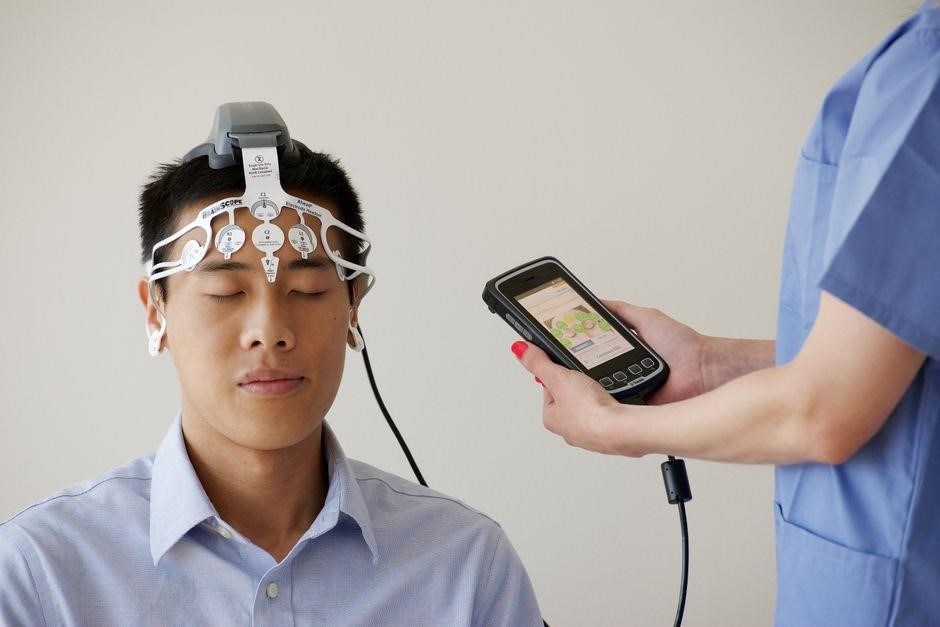
Evaluating progress and providing feedback is a crucial aspect of Accelerated Resolution Therapy (ART)․ The therapist will work with you to assess your progress and provide feedback on your experience․ This will help you to understand your progress and make adjustments as needed․ The therapist will use a variety of tools to evaluate your progress, including surveys, questionnaires, and other assessments․ You will also have the opportunity to provide feedback on your experience and suggest changes to your treatment plan․
The goal of evaluating progress and providing feedback is to ensure that you are receiving the most effective treatment possible․ The therapist will work with you to identify areas where you need improvement and develop strategies to address these areas․ By providing feedback and evaluating progress, you can help to ensure that your treatment is successful and that you are achieving your goals․
The process of evaluating progress and providing feedback is an ongoing part of Accelerated Resolution Therapy (ART)․ The therapist will continuously monitor your progress and make adjustments to your treatment plan as needed․ You will also have the opportunity to provide feedback and suggest changes to your treatment plan at any time․ By working together, you and your therapist can ensure that you are receiving the most effective treatment possible and that you are achieving your goals․
In addition to evaluating progress and providing feedback, the therapist will also help you to develop a plan to maintain your progress after treatment is complete․ This will help you to ensure that you are able to maintain your gains and continue to make progress in the future․