Full Body Workout Without Equipment PDF: An Overview
Full body workouts, achievable without equipment, are gaining traction, offering convenience and effectiveness․
Numerous online resources, like Peloton and Nourish Move Love, demonstrate this,
providing accessible routines via PDF guides and video formats for all fitness levels․
What is a No-Equipment Full Body Workout?
A no-equipment full body workout utilizes your own bodyweight as resistance, eliminating the need for dumbbells, machines, or any external weights․ This approach focuses on compound exercises – movements that engage multiple muscle groups simultaneously – maximizing efficiency and calorie burn․
Essentially, it’s about leveraging gravity and your body’s mechanics․ Think squats, push-ups, lunges, and planks․ These exercises, readily available in PDF workout plans and online videos (like those from Boho Beautiful on YouTube), can be combined into circuits for a comprehensive training session․
The beauty lies in its accessibility; you can perform these workouts virtually anywhere, anytime, making it ideal for travel or home fitness․ Peloton instructors emphasize that effective training doesn’t require equipment, proving that dedication and proper form are paramount․ It’s a versatile method adaptable to various fitness levels, from beginners to advanced athletes․
Benefits of Bodyweight Training
Bodyweight training, central to no-equipment workouts, offers a wealth of advantages․ Firstly, it’s incredibly accessible – no gym membership or expensive equipment is needed, aligning with the convenience found in readily available PDF workout guides․ Secondly, it enhances functional strength, improving everyday movements and reducing injury risk․
Peloton instructors highlight that bodyweight exercises build a strong foundation, improving muscle endurance and core stability․ This type of training is also highly scalable; variations can easily adjust difficulty, catering to all fitness levels․
Furthermore, it promotes better body awareness and control, fostering proper form – crucial for preventing injuries․ Resources like CBC Life demonstrate how these workouts can be incorporated into a consistent routine․ Finally, it’s time-efficient, allowing for effective sessions even with limited schedules, making it a practical choice for a healthy lifestyle․
Essential Bodyweight Exercises
Essential exercises like squats, push-ups, lunges, and the plank form the core of effective no-equipment routines, readily found in PDF workout plans․
Squats: Technique and Variations
Squats are a foundational bodyweight exercise, crucial for lower body strength and overall fitness, often detailed in full body workout PDF guides․ Proper technique involves keeping your back straight, core engaged, and descending as if sitting into a chair, ensuring your knees track over your toes․
Numerous variations enhance the challenge and target different muscle groups․ Jump squats add a plyometric element for increased intensity, while sumo squats emphasize the inner thighs․ Pistol squats, a more advanced variation, require significant balance and strength, often demonstrated in advanced workout PDFs․
Beginners can start with wall squats to build foundational strength and proper form․ Consistent practice, focusing on controlled movements, is key to maximizing benefits and preventing injury․ Many online resources, including those offering no-equipment workout PDFs, provide detailed instructions and visual demonstrations of these squat variations․
Push-Ups: Forms for All Levels
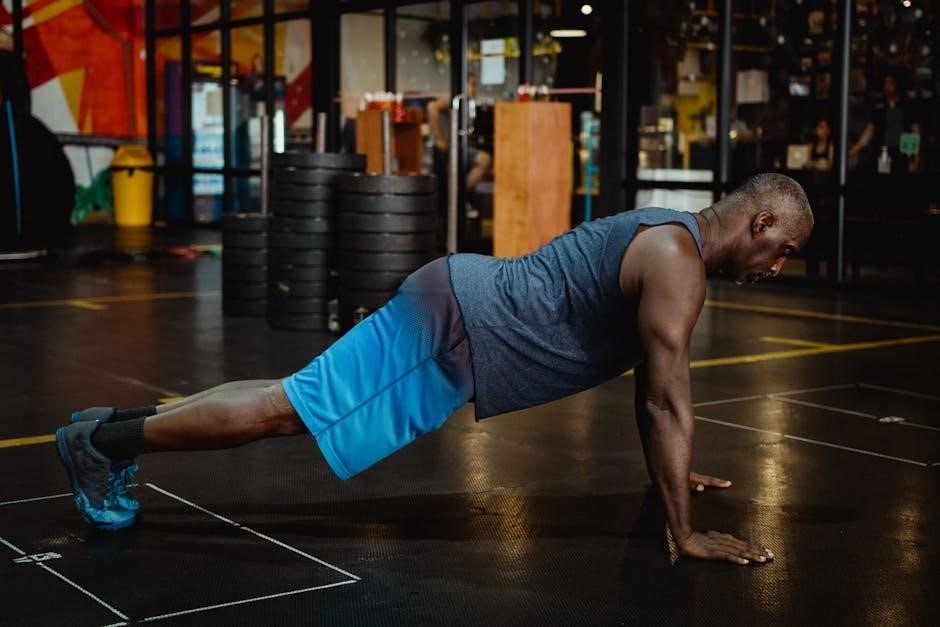
Push-ups are a versatile bodyweight exercise, frequently featured in full body workout PDFs, targeting the chest, shoulders, and triceps․ Mastering proper form is essential: maintain a straight line from head to heels, engage your core, and lower your body until your chest nearly touches the floor․
Several variations cater to different fitness levels․ Knee push-ups are ideal for beginners, reducing the load․ Incline push-ups, performed with hands elevated, further simplify the exercise․ Advanced variations include decline push-ups (feet elevated) and diamond push-ups (hands forming a diamond shape), increasing the challenge․
Workout PDFs often illustrate these progressions, allowing individuals to gradually increase intensity․ Consistent practice, focusing on controlled movements, builds upper body strength․ Remember, quality over quantity – prioritize proper form to avoid injury and maximize effectiveness, as highlighted in many online fitness guides;
Lunges: Targeting Legs and Glutes
Lunges are a foundational exercise in many full body workout PDFs, effectively targeting the quadriceps, hamstrings, and glutes․ Proper form involves stepping forward with one leg, lowering your body until both knees are bent at 90-degree angles, and maintaining an upright torso․
Numerous variations enhance the challenge and target different muscle groups․ Forward lunges are the standard, while reverse lunges offer a gentler option․ Walking lunges increase cardiovascular demand, and lateral lunges work the inner and outer thighs․
Workout PDFs frequently demonstrate these variations, providing visual guidance․ Focus on controlled movements and maintaining balance throughout the exercise․ Incorporating lunges into a routine builds lower body strength and improves stability․ Remember to alternate legs and prioritize form to prevent injury, as emphasized by fitness professionals․
Plank: Core Strengthening Exercise
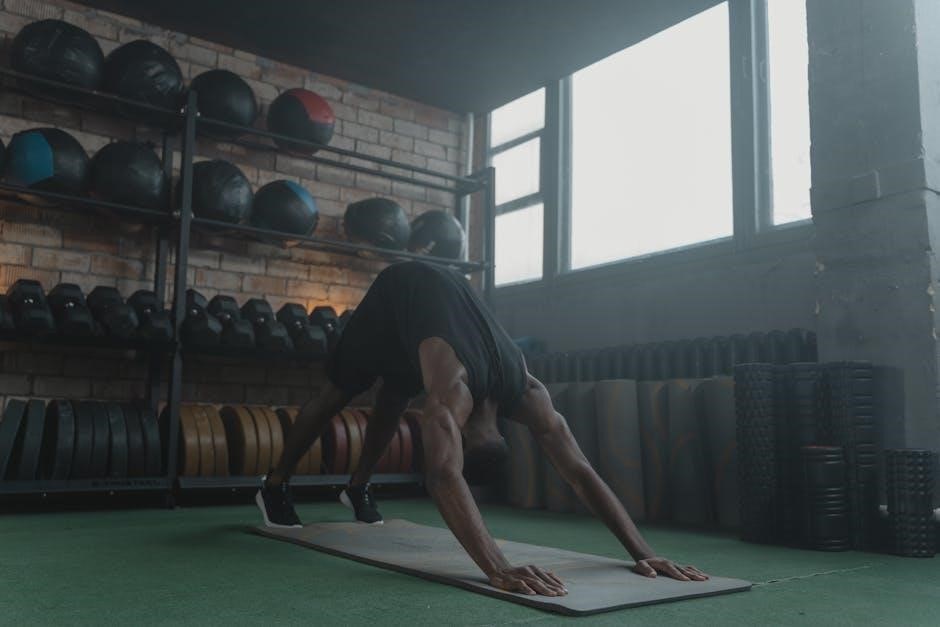
The plank is a cornerstone of full body workout PDFs, renowned for its exceptional core strengthening capabilities․ This isometric exercise requires maintaining a straight line from head to heels, engaging abdominal muscles, back, and shoulders․ Proper form is crucial – avoid sagging hips or a raised back․
Many workout PDFs showcase plank variations to increase difficulty and target different core areas․ Forearm planks are a standard starting point, while high planks (on hands) add intensity․ Side planks focus on obliques, and plank jacks introduce a cardio element․
Holding a plank for 30-60 seconds is a common goal, gradually increasing duration as strength improves․ It’s a versatile exercise, requiring no equipment and adaptable to all fitness levels․ Consistent plank practice, as detailed in online resources, builds a strong core, improving posture and stability․
Building a Workout Routine
Workout PDFs emphasize structured routines: a warm-up, a circuit of 6-7 exercises, and a cool-down․
Consistency and progressive overload are key to achieving fitness goals without equipment․
Warm-up Exercises
Prioritizing a dynamic warm-up is crucial before any no-equipment full body workout, preparing muscles and joints for exertion․ PDF workout guides often include exercises like arm circles – both forward and backward – to increase shoulder mobility․
High knees and butt kicks effectively elevate heart rate and warm up the leg muscles, essential for exercises like squats and lunges․ Torso twists improve spinal mobility, while leg swings (forward, backward, and sideways) enhance flexibility in the hips and hamstrings․
Don’t underestimate the power of jumping jacks; they’re a classic for a reason, providing a full-body, cardiovascular warm-up․ A brief, gentle stretching component, holding each stretch for 15-30 seconds, can further prepare the body․ Remember, a proper warm-up minimizes injury risk and maximizes workout effectiveness, setting the stage for a successful session․
Workout Circuit Design (6-7 Exercises)
A well-structured circuit is the heart of an effective no-equipment full body workout, often detailed within PDF resources․ Aim for 6-7 exercises targeting different muscle groups․ A sample circuit might include squats, push-ups, lunges, planks, jumping jacks, and burpees – offering a comprehensive challenge․
Perform each exercise for a set duration (e․g․, 30-60 seconds) or repetitions (e․g․, 10-15 reps), followed by a short rest period (15-30 seconds)․ Complete the entire circuit 2-3 times, adjusting based on fitness level․
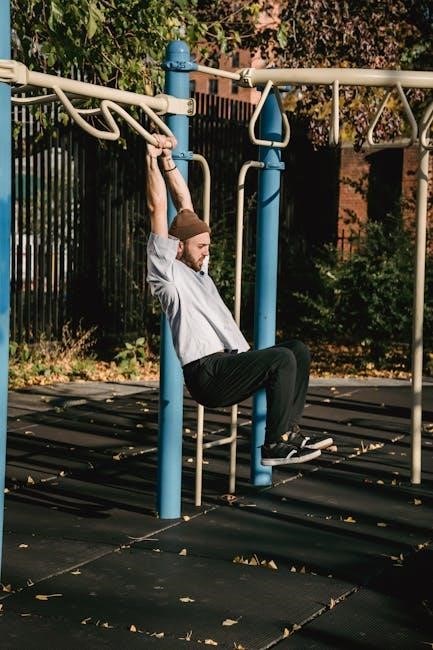
Consider incorporating variations to increase difficulty – incline push-ups, jump squats, or plank variations․ The key is to maintain good form throughout․ PDF guides frequently suggest modifications for beginners and advanced users, ensuring scalability and progressive overload․ Remember to prioritize form over speed to prevent injuries․
Cool-down and Stretching
Concluding your no-equipment full body workout with a proper cool-down and stretching routine is crucial, often outlined in detail within PDF workout plans․ Begin with 5-10 minutes of light cardio, like walking in place or arm circles, to gradually lower your heart rate․
Follow this with static stretches, holding each stretch for 20-30 seconds․ Focus on major muscle groups worked during the circuit – quads, hamstrings, glutes, chest, back, and shoulders․ Examples include hamstring stretches, quad stretches, tricep stretches, and shoulder rotations․
Effective stretching improves flexibility, reduces muscle soreness, and aids in recovery․ Many PDF resources provide visual guides to proper stretching techniques․ Prioritize controlled movements and avoid bouncing, which can cause injury․ Consistent cool-downs enhance long-term fitness gains․
Workout Examples & PDF Resources
PDF resources offer structured full body workouts, including 20-minute routines and HIIT options from sources like Nourish Move Love and CBC Life,
providing accessible fitness plans without needing equipment․
20-Minute Full Body Workout
A concise 20-minute full body workout, perfect for beginners or those with limited time, can be incredibly effective without any equipment․ Nourish Move Love highlights the benefits of such routines, emphasizing fat burning through a combination of bodyweight exercises and low-impact movements․
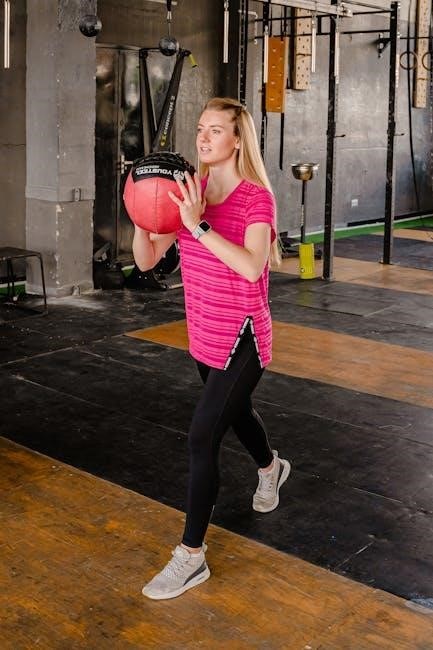
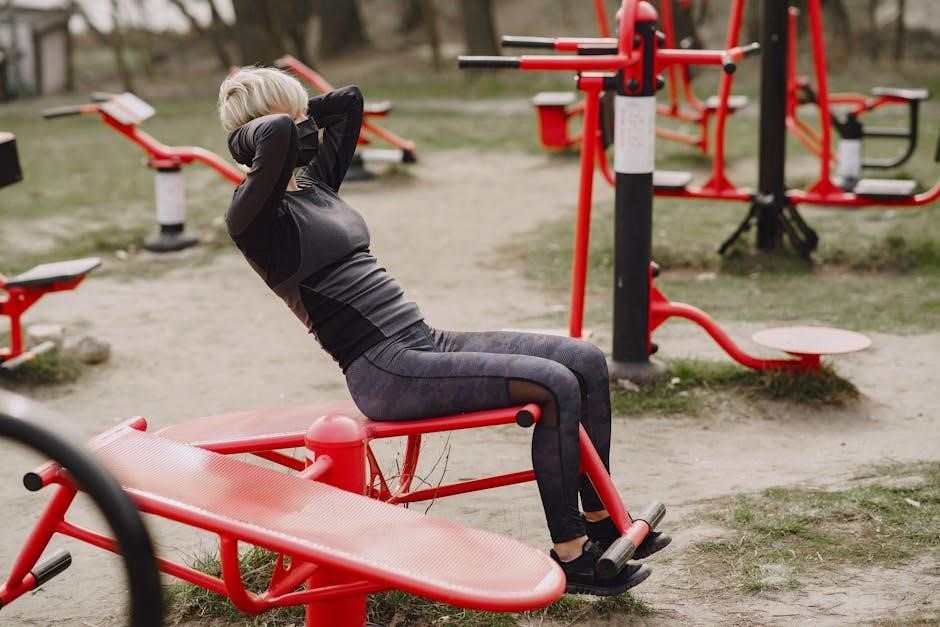
A sample routine might include: 30 seconds of jumping jacks, followed by 15 squats, 10 push-ups (modified on knees if needed), 20 lunges (10 per leg), 30 seconds of plank, and 15 crunches․ Repeat this circuit three to four times, with minimal rest between exercises and a slightly longer rest between circuits․
This approach, easily found in PDF workout guides, focuses on all major muscle groups, providing a comprehensive workout in a short timeframe․ Remember to prioritize proper form over speed to prevent injuries and maximize results․ Many online resources offer variations to suit different fitness levels․
HIIT Workout for Fat Burning
High-Intensity Interval Training (HIIT) is a powerful method for fat burning, and remarkably effective even without equipment․ Nourish Move Love suggests combining bodyweight exercises with low-impact HIIT, like incline walking (if a treadmill is available, though not essential for all HIIT)․ A PDF guide can easily structure this․
A sample HIIT routine could involve 30 seconds of burpees, followed by 15 seconds of rest․ Then, 30 seconds of high knees, 15 seconds rest․ Continue with mountain climbers, squat jumps, and plank jacks, each for 30 seconds with 15 seconds recovery․ Repeat the entire circuit 4-6 times․
This approach maximizes calorie expenditure in a short period․ Remember to warm up before and cool down afterward․ Numerous free PDF workout plans online detail similar routines, offering modifications for varying fitness levels․ Prioritize form to avoid injury during these intense bursts․
Pilates-Inspired Full Body Workout
Pilates, renowned for its core strengthening and body conditioning, translates beautifully into an effective, no-equipment full body workout․ As highlighted by a Reddit user on r/AskReddit, Boho Beautiful on YouTube offers excellent Pilates routines, often requiring no equipment at all․ A downloadable PDF can organize these flows․
A Pilates-inspired sequence might begin with the Hundred, followed by Roll-Ups, Single Leg Circles, Rolling Like a Ball, and Swan Dive․ Incorporate side planks for oblique work, and finish with spine stretch forward․ Focus on controlled movements and breath synchronization․
These exercises enhance flexibility, posture, and muscle endurance․ Many free PDF resources detail beginner-friendly Pilates routines․ Remember to engage your core throughout each exercise․ Pilates provides a low-impact yet challenging workout, ideal for building strength and improving overall body awareness․
Safety Considerations & Progression
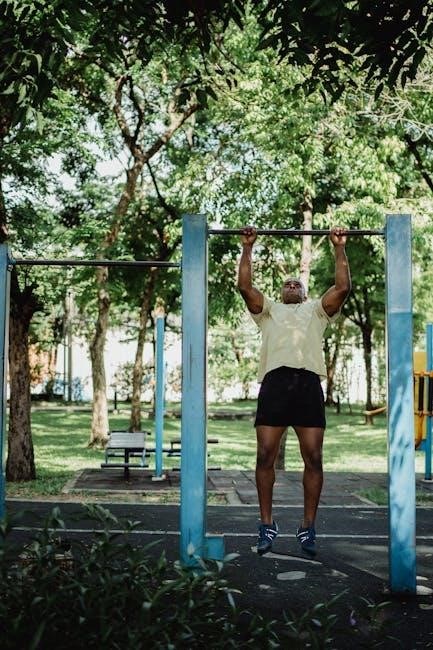
Proper form is crucial to prevent injuries during bodyweight training, as emphasized by experts․ Progressive overload, increasing reps or sets, is key for continued gains․
Proper Form and Injury Prevention
Maintaining proper form during each exercise is paramount when undertaking a full body workout without equipment․ Incorrect technique significantly increases the risk of strains, sprains, and more serious injuries․ Focus on controlled movements, engaging the correct muscle groups throughout each repetition․
For example, during squats, ensure your back remains straight and your knees track over your toes․ With push-ups, maintain a plank position, avoiding sagging hips or a rounded back․ Prioritize quality over quantity; it’s better to perform fewer repetitions with perfect form than many with compromised technique․
Listen to your body and stop if you experience any pain․ Don’t push through discomfort, as this can lead to injury․ Consider recording yourself performing exercises to self-assess your form or seeking guidance from a fitness professional․ Warming up adequately before each workout and cooling down with stretching are also vital preventative measures․
Progressive Overload Without Weights
Progressive overload is crucial for continued improvement, even without external weights․ This principle involves gradually increasing the challenge to your muscles over time․ Several methods can achieve this in bodyweight training․ Increase the number of repetitions or sets performed for each exercise․
Reduce rest time between sets to increase intensity․ Explore more challenging variations of exercises – for instance, progressing from knee push-ups to standard push-ups, or from regular squats to jump squats․ Focus on slowing down the eccentric (lowering) phase of movements to increase time under tension․
Consider incorporating unilateral exercises (working one side of the body at a time) to enhance stability and challenge․ Combining exercises into circuits and reducing rest periods also boosts intensity․ Remember consistency and gradual progression are key to avoiding plateaus and maximizing results․