Brother SE-400 Manual: A Comprehensive Guide
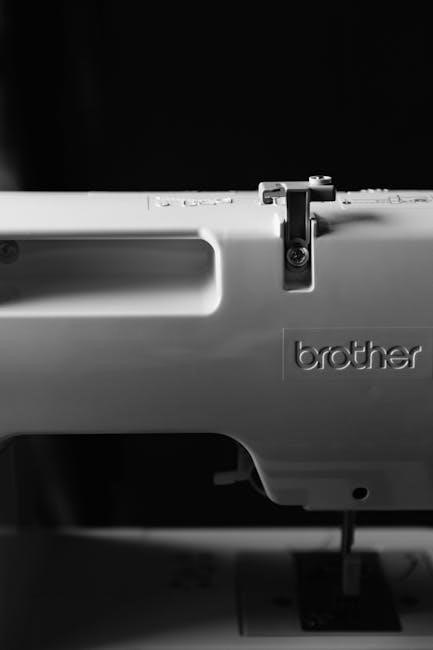
This 172-page manual, available digitally or in full color print, details operation, maintenance, and safety for the Brother SE-400 embroidery and sewing machine.
The Brother SE-400 is a versatile machine combining sewing and embroidery capabilities, designed for household use. This comprehensive guide will unlock its full potential, whether you’re a beginner or experienced crafter. Understanding this manual is crucial for safe and effective operation.
This machine offers a wide range of stitches and embroidery designs, making it ideal for various projects. The manual provides detailed instructions, covering everything from initial setup to advanced features. Always prioritize safety by reading the included precautions before use. A digital copy, a 172-page document, is readily available for quick access, alongside printed versions with superior spiral coil binding for convenient use.
Understanding the Machine’s Capabilities
The Brother SE-400 excels in both sewing and embroidery, offering utility stitches and a diverse range of decorative designs. This machine’s capabilities extend to editing embroidery designs directly on the machine and utilizing built-in fonts for personalization.
Its versatility is enhanced by multiple hoop sizes, accommodating various project dimensions. The 172-page manual details these features, guiding users through design loading and stitch settings. Connection to a computer allows for seamless design transfer, expanding creative possibilities. Familiarizing yourself with these functions, as outlined in the manual, ensures optimal performance and unlocks the machine’s full creative potential for all skill levels.
Getting Started with Your SE-400
Begin with unboxing, initial setup, and powering on the machine; the manual provides clear instructions for basic controls and threading procedures.
Unboxing and Initial Setup
Carefully unpack your Brother SE-400, ensuring all components are present. The included accessories, detailed in the manual, are crucial for various sewing and embroidery tasks.
Before initial use, remove all packaging materials and protective coverings. Inspect the machine for any shipping damage; contact support if issues arise. Proper setup involves attaching the power cord, bobbin winder, and ensuring the machine is placed on a stable surface.
The manual guides you through connecting the necessary parts and understanding their functions. Familiarize yourself with the machine’s layout and key components before proceeding to the next steps. A well-prepared setup ensures a smooth and enjoyable experience with your new SE-400.
Powering On and Basic Controls
To power on your Brother SE-400, connect the power cord to a grounded outlet and switch the power button located on the machine’s side. The LCD screen will illuminate, displaying the main menu.
Familiarize yourself with the essential controls: the speed control slider, stitch selection buttons, and the needle up/down button. The manual provides a detailed diagram illustrating each control’s function.
Practice using these controls to get a feel for the machine’s responsiveness. Understanding these basic operations is fundamental before attempting more complex sewing or embroidery projects. Always unplug the machine when making adjustments, as detailed in the safety instructions;
Threading the Machine (Upper and Bobbin)
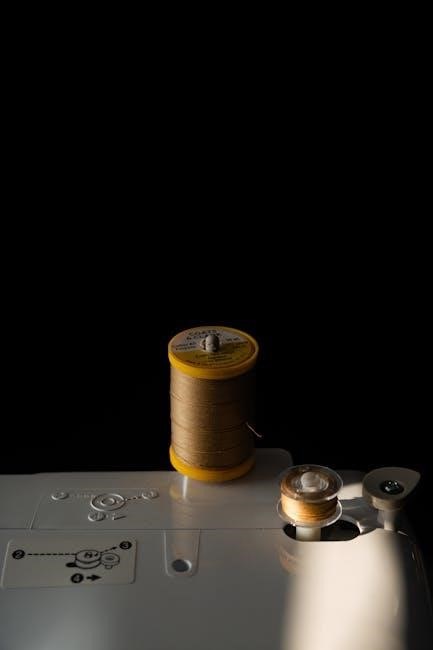
Correct threading is crucial for optimal performance. The Brother SE-400 manual provides step-by-step diagrams for both upper and bobbin threading. Begin by raising the presser foot.
For upper threading, follow the numbered path indicated on the machine, guiding the thread through each guide and tension disc. Ensure the thread is securely seated in the take-up lever.
Bobbin threading involves winding the bobbin and inserting it correctly into the bobbin case. The manual clearly illustrates this process. Incorrect threading can lead to skipped stitches or tension issues.
Sewing Basics with the SE-400
Mastering stitch selection, length, and width is fundamental. The manual guides users through fabric choices and needle types for successful sewing projects.
Selecting Stitches
The Brother SE-400 boasts a diverse range of built-in stitches, catering to various sewing needs. The comprehensive manual meticulously details each stitch, providing clear illustrations and explanations of their optimal applications. From essential straight and zigzag stitches for basic seams and repairs, to decorative stitches for embellishment and creative projects, the SE-400 offers versatility.
Navigating the stitch selection process is simplified through the machine’s intuitive interface. The manual guides users on how to access the stitch chart, locate desired stitches by number or category, and understand their specific settings. It also explains the difference between utility and decorative stitches, empowering users to choose the most appropriate stitch for their fabric and project requirements. Understanding these options unlocks the full potential of the SE-400.
Adjusting Stitch Length and Width
Precise control over stitch length and width is crucial for achieving professional-looking results with the Brother SE-400. The manual provides detailed instructions on how to utilize the dedicated adjustment buttons and dials to fine-tune these parameters. Understanding the impact of stitch length on fabric strength and appearance is key – shorter stitches for delicate fabrics, longer stitches for heavier materials.
Similarly, adjusting stitch width allows for customization of decorative stitches and seam finishes. The manual illustrates how varying the width affects the stitch’s coverage and aesthetic appeal. It emphasizes the importance of testing stitch settings on scrap fabric before commencing a project, ensuring optimal results and preventing potential issues. Mastering these adjustments unlocks creative possibilities.
Fabric Selection and Needle Types
The Brother SE-400 manual stresses the importance of pairing the correct needle type with your chosen fabric for optimal sewing performance. Different fabrics require different needle points and sizes to prevent damage and ensure clean stitches. The guide details needle recommendations for various materials, including woven, knit, denim, and delicate fabrics like silk.
It explains how using the wrong needle can lead to skipped stitches, puckering, or even broken needles. The manual provides a comprehensive chart outlining needle sizes and their corresponding fabric weights. Understanding these guidelines is essential for achieving professional-quality results and extending the life of your machine and needles.
Practice Sewing Techniques
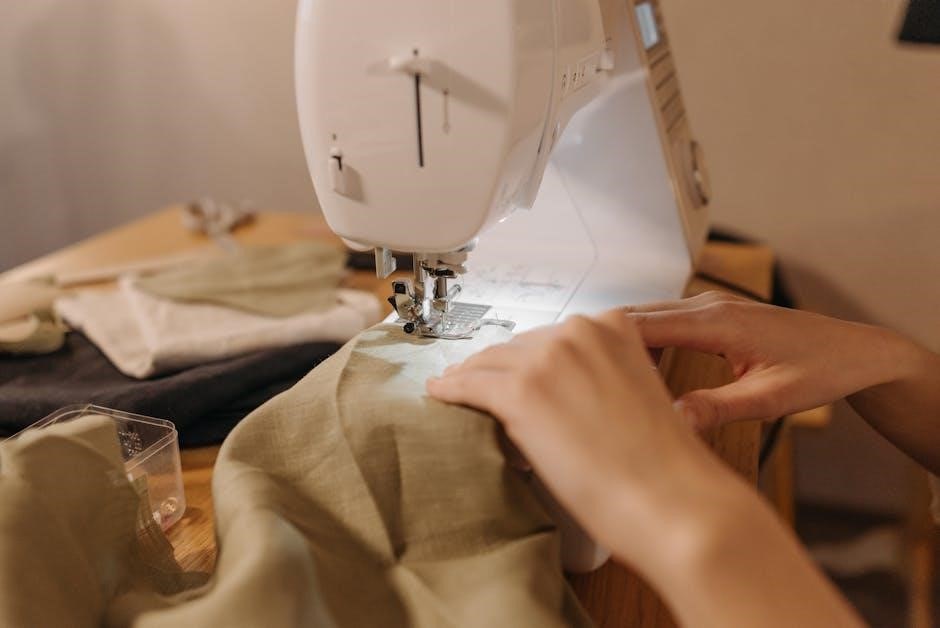
The Brother SE-400 manual strongly encourages users to practice basic sewing techniques before embarking on complex projects. This includes mastering straight stitching, zig-zag stitching, and turning corners accurately. The guide suggests utilizing scrap fabric to experiment with different stitch lengths and widths, observing their impact on the fabric’s appearance and durability.
It also emphasizes the importance of maintaining a consistent sewing speed and guiding the fabric smoothly. The manual recommends practicing techniques like pivoting, backstitching, and seam finishing to build confidence and refine skills. Consistent practice will lead to improved stitch quality and overall project success.
Embroidery Features of the SE-400
The SE-400 manual details hooping fabric, loading designs, stitch settings, and utilizing multiple hoop sizes for beautiful embroidery projects.
Hooping Fabric for Embroidery
Proper hooping is crucial for successful embroidery with the Brother SE-400. The manual provides detailed instructions on selecting the correct hoop size for your design and fabric type. It emphasizes the importance of securely attaching the fabric to the hoop, ensuring it’s taut and wrinkle-free to prevent puckering or distortion during stitching.
Different fabrics may require different stabilization techniques. The manual guides users through applying stabilizers, such as cut-away, tear-away, or wash-away, to support the fabric and prevent stretching. It also explains how to properly position the hoop on the machine, aligning it correctly for accurate design placement. Following these guidelines, as outlined in the manual, will significantly improve the quality and appearance of your embroidered creations.
Loading Embroidery Designs
The Brother SE-400 manual details several methods for loading embroidery designs onto the machine. Users can transfer designs directly from a computer via USB connection, utilizing compatible file formats. Alternatively, designs can be loaded from a USB flash drive. The manual provides step-by-step instructions for navigating the machine’s menu system to select and load designs.
It also explains how to verify the design’s dimensions and placement on the screen before beginning the embroidery process. The manual emphasizes the importance of ensuring the design is correctly oriented and scaled to fit the hooped fabric. Proper design loading, as described in the manual, is essential for achieving accurate and professional-looking embroidery results.
Embroidery Stitch Settings
The Brother SE-400 manual comprehensively covers adjusting embroidery stitch settings for optimal results. Users can modify stitch density, speed, and tension to suit different fabrics and thread types. The manual explains how these settings impact the final embroidery appearance, offering guidance for achieving desired effects.
Detailed instructions are provided for fine-tuning settings for various stitch types, including satin stitch, fill stitch, and running stitch. Understanding these adjustments, as outlined in the manual, allows for greater creative control. The manual also addresses troubleshooting common stitch issues, such as thread breaks or puckering, by suggesting appropriate setting adjustments.
Multiple Hoop Sizes and Usage
The Brother SE-400 manual details the various hoop sizes included with the machine and their specific applications. It explains how to correctly attach each hoop and the importance of proper fabric placement for optimal embroidery. The manual clarifies which hoop sizes are best suited for different design sizes and fabric types, ensuring accurate and professional-looking results.
Users will find guidance on utilizing the larger hoops for expansive designs and the smaller hoops for intricate details. The manual also covers techniques for multi-hooping, allowing for the creation of larger, seamless embroidery projects. Proper hoop usage, as described, prevents fabric distortion and ensures consistent stitch quality;
Advanced Features and Functions
The manual explores on-machine design editing, built-in fonts, computer connectivity for design transfer, and the convenient automatic needle threader.
Editing Embroidery Designs On-Machine
The Brother SE-400 offers impressive capabilities for editing embroidery designs directly on the machine itself. This feature allows for quick adjustments and personalization without needing a computer connection. Users can modify existing designs, resize elements, rotate motifs, and even combine different design components.
The manual provides detailed instructions on navigating the machine’s editing screen, utilizing the built-in editing tools, and understanding the various options available for manipulating designs. It covers techniques for fine-tuning stitch density, altering color palettes, and adding or removing individual stitches.
Mastering these on-machine editing skills empowers users to create truly unique and customized embroidery projects, adapting designs to perfectly suit their creative vision and fabric choices. The manual emphasizes practical examples and step-by-step guidance to facilitate a smooth learning process.
Using the Built-in Fonts
The Brother SE-400 boasts a selection of built-in fonts, enabling users to personalize projects with custom lettering and monograms directly on the machine. The manual thoroughly explains how to access and utilize these fonts for creating unique designs. It details the process of inputting text, selecting font styles, adjusting font sizes, and arranging lettering layouts.
Users will learn how to create arched, curved, or angled text, as well as how to combine different fonts for visually appealing effects. The manual provides clear instructions on converting text into embroidery-compatible stitch formats, ensuring seamless integration with embroidery designs.
It also covers techniques for outlining fonts, adding fills, and customizing lettering colors. Mastering these features unlocks a world of creative possibilities for personalized gifts, apparel, and home décor.
Connecting to a Computer for Design Transfer
The Brother SE-400 allows for seamless design transfer from a computer, expanding creative possibilities beyond the machine’s built-in options. The manual provides detailed, step-by-step instructions on establishing a connection via USB cable. It clarifies software compatibility, including Brother’s PE-Design software, and outlines the process of importing embroidery designs in various formats (PES, DST, etc.).
Users will learn how to transfer designs directly to the machine’s memory or to an external USB drive. The guide explains navigating the computer interface to select and send designs, ensuring accurate transfer and proper formatting.
Troubleshooting tips are included to address common connectivity issues, guaranteeing a smooth design transfer experience for both beginners and experienced users.
Utilizing the Automatic Needle Threader
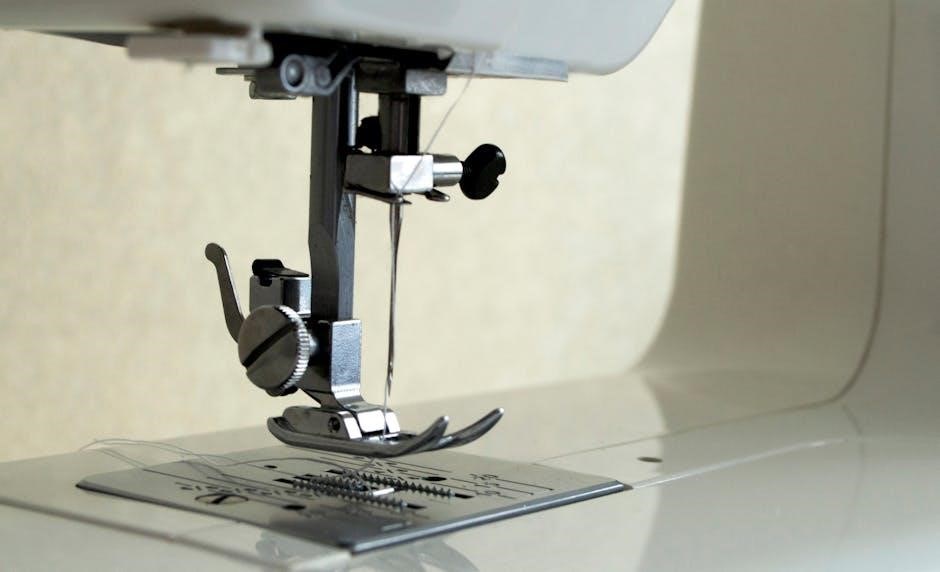
The Brother SE-400 features a convenient automatic needle threader, simplifying a traditionally tedious task. The manual provides clear illustrations and instructions on how to correctly position the thread and engage the threader. It emphasizes the importance of using compatible thread types for optimal performance and avoiding thread breakage.
Detailed guidance is given on troubleshooting common issues, such as thread not catching or the threader failing to operate. The manual explains how to properly clean the threader mechanism to maintain its functionality.
Mastering this feature significantly speeds up setup time and reduces eye strain, allowing users to focus on their creative projects. Proper use extends the life of the machine.

Maintenance and Troubleshooting
The manual details cleaning, lubrication, and solutions for common sewing and embroidery issues, ensuring optimal performance and longevity of your SE-400.
Cleaning the Machine
Regular cleaning is crucial for maintaining your Brother SE-400’s performance and preventing issues. Always unplug the machine from the electrical outlet before any cleaning procedures. The manual emphasizes removing covers carefully before lubricating or making adjustments. Focus on the bobbin area, removing lint and thread debris with a brush – never your fingers!
Pay attention to the feed dogs, ensuring they are free of buildup. A soft cloth dampened with cleaning solution can wipe down exterior surfaces. Avoid harsh chemicals or excessive moisture. The needle area should also be cleaned regularly to prevent thread breakage. Consistent cleaning, as outlined in the manual, extends the machine’s life and ensures smooth operation.
Lubrication Guide
The Brother SE-400 manual stresses the importance of lubrication for optimal performance, but cautions against over-lubrication. Always unplug the machine before attempting any lubrication. The manual details specific points requiring oil – typically the bobbin case and hook assembly, and potentially the needle bar area.
Use only sewing machine oil, as other lubricants can damage internal components. Apply oil sparingly, using an oiler to target precise areas. Avoid getting oil on belts or painted surfaces. Regular, careful lubrication, as described in the manual, minimizes friction, reduces wear, and ensures quiet, efficient operation. Refer to the manual for detailed diagrams and instructions.
Troubleshooting Common Sewing Issues
The Brother SE-400 manual provides guidance for resolving frequent sewing problems. Issues like thread bunching often stem from improper threading or incorrect tension settings. Skipped stitches can indicate a bent needle, incorrect needle type for the fabric, or timing issues. Fabric puckering may result from incorrect stitch length or tension.
The manual emphasizes checking the needle, thread path, and tension dial first. It also advises consulting the troubleshooting charts for specific error codes displayed on the machine. Remember to always unplug the machine before attempting any repairs or adjustments, and refer to the manual’s safety precautions.
Troubleshooting Common Embroidery Issues
The Brother SE-400 manual addresses common embroidery challenges. Frequent issues include thread breaks, often caused by incorrect tension, a dull needle, or poor quality thread. Design distortions can result from improper hooping or stabilizer selection. Needle breakage may occur with dense designs or incorrect needle type.
The manual suggests checking the thread path, stabilizer, and hoop tightness. It also details troubleshooting steps for error messages displayed during embroidery. Always refer to the manual’s safety guidelines before attempting repairs. Proper maintenance, as outlined in the manual, is crucial for optimal embroidery performance.
Safety Precautions
Always unplug the machine before cleaning, lubricating, or making adjustments, reducing the risk of electrical shock, burns, or injury during operation.
Electrical Safety
Ensuring electrical safety is paramount when operating your Brother SE-400. Always verify the power supply matches the machine’s requirements to prevent damage. Never operate the machine with a damaged cord or plug; immediate replacement is crucial.
Always unplug the machine from the electrical outlet before performing any maintenance, such as changing the needle, cleaning, or lubricating. This simple precaution significantly reduces the risk of electric shock. Avoid using extension cords if possible; if necessary, ensure it’s appropriately rated for the machine’s power consumption.
Keep the machine away from water and damp environments. Do not attempt to repair the machine yourself; contact authorized Brother support for any electrical issues. Following these guidelines will help maintain a safe operating environment.
Avoiding Injury During Operation
Prioritize safety while using your Brother SE-400 to prevent injuries. Keep fingers and other body parts away from moving components, like the needle, presser foot, and embroidery hoop, during operation. Always use the provided safety covers and guards.
Never attempt to sew over broken needles; this can cause damage to the machine and potential injury. Exercise caution when handling sharp objects, such as scissors and rotary cutters, used in conjunction with the machine. Be mindful of the machine’s speed and maintain control at all times.
Unplug the machine before changing the needle or performing any maintenance. Proper awareness and adherence to these precautions will ensure a safe and enjoyable sewing experience.
Resources and Support
Access the digital manual online, find genuine replacement parts, and contact Brother support for assistance with your SE-400 embroidery machine.
Downloading the Digital Manual
Obtaining a digital copy of the Brother SE-400 manual is readily available through various online resources. Etsy offers PDF copies of the 172-page instruction manual, requiring Adobe Acrobat Reader for viewing. Pocono Sew & Vac also provides free digital manuals for the SE400, alongside parts and accessories listings.
These digital versions offer convenient access to comprehensive guidance on operating and maintaining your machine. Having the manual readily available on your computer or device ensures quick access to troubleshooting tips, stitch guides, and safety precautions. Ensure a stable internet connection during the download process to avoid interruptions.
Finding Replacement Parts
Sourcing replacement parts for your Brother SE-400 is simplified through dedicated online retailers; Pocono Sew & Vac specifically lists parts and accessories compatible with the SE400 model, offering a convenient platform for procurement. When identifying needed components, referencing your digital or printed manual is crucial for correct part numbers.
Genuine Brother parts ensure optimal performance and longevity of your machine. Regularly checking the retailer’s website for updated availability is recommended. Maintaining a supply of frequently used items, like needles and bobbins, minimizes downtime. Prioritize authorized dealers for guaranteed compatibility and quality.
Brother Support Contact Information
For direct assistance with your Brother SE-400, reaching out to Brother Support is essential. While specific contact details aren’t explicitly provided in the sourced information, Brother typically offers support through their official website. This includes access to FAQs, troubleshooting guides, and downloadable resources like the complete 172-page manual.
You can often find phone numbers and email addresses for technical support on the Brother website, categorized by product type. Utilizing online chat support is another efficient method for quick issue resolution. Ensure your model number (SE-400) is readily available when contacting support for faster service.